Host a Program
Bring CHRRP, CLASP, a focused workshop, or a preparedness activity to a defined audience.
Partnerships
IFCRR works with public agencies, community organizations, employers, healthcare organizations, funders, and other partners to expand access to practical preparedness and lifesaving training.
Ways to work with IFCRR
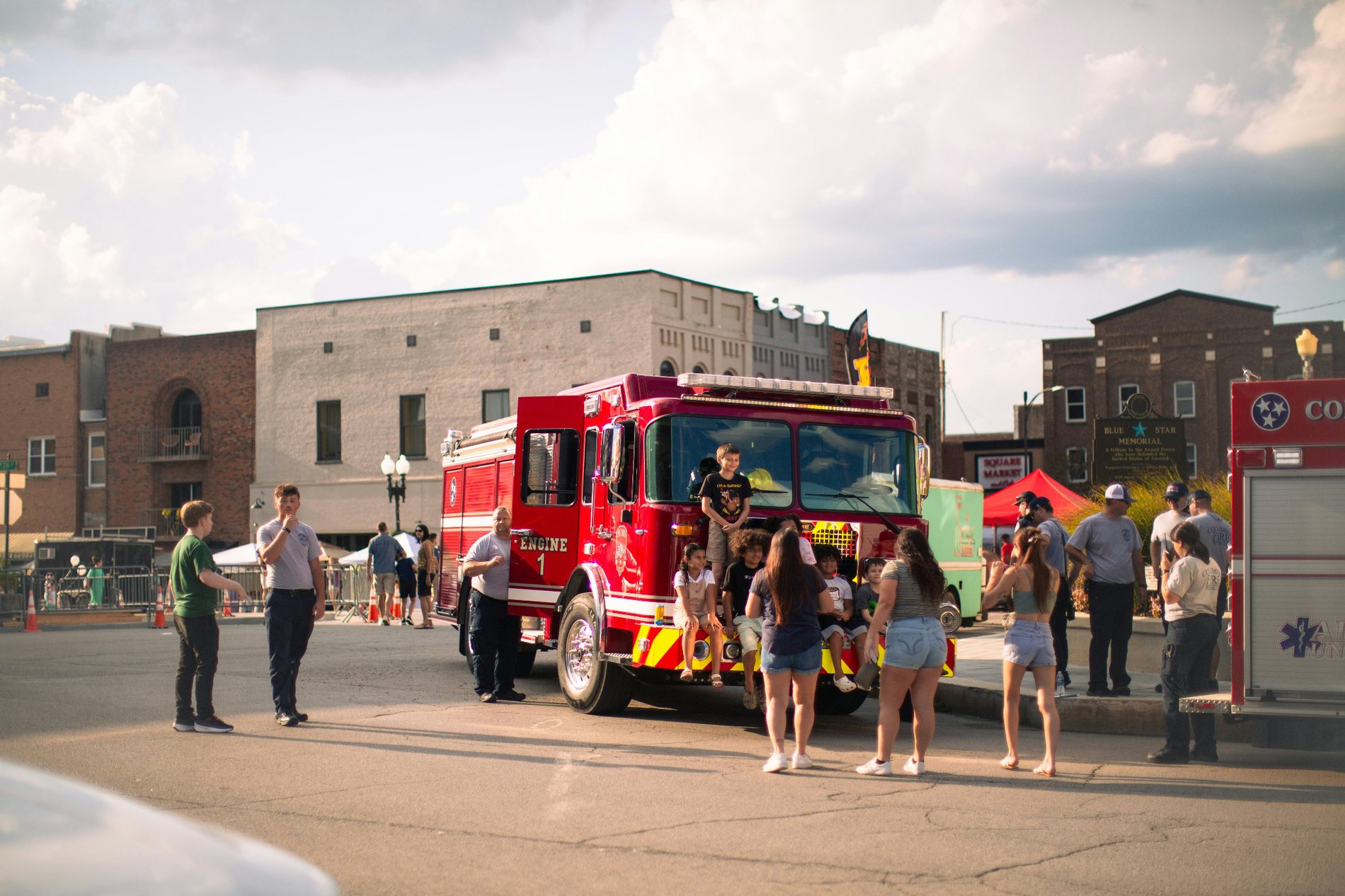
Partnerships can range from hosting a single class or community event to developing a multi-session pilot, supporting priority populations, or building a longer-term preparedness initiative.
Bring CHRRP, CLASP, a focused workshop, or a preparedness activity to a defined audience.
Work with IFCRR to test delivery, collect useful evaluation data, and refine a program for future expansion.
Align content with local hazards, public-health priorities, preparedness initiatives, or community needs.
Support participant access, materials, equipment, or delivery for a priority population or community.
Initial pilots
Pilot partnerships allow IFCRR and participating organizations to evaluate delivery methods, participant outcomes, local applicability, logistical requirements, and opportunities for future expansion.
Pilot results can help strengthen IFCRR programs, document community reach and impact, support future funding opportunities, and inform broader implementation.
Request a Pilot ProgramWho we work with
What IFCRR can provide
What a partner may provide
Not every project requires every item. Responsibilities are established during planning based on the scope of the program.
Local relevance
IFCRR does not require every partner to use the same delivery model. Program content and logistics can be adapted to local hazards, audience needs, available facilities, scheduling constraints, and partner objectives.
For pilots, evaluation measures are selected in advance so both IFCRR and the partner understand what the project is intended to learn or demonstrate.
Start with a manageable scope
A useful first project does not have to be large. IFCRR can work with a partner to define a realistic initial scope and determine whether a single event, short series, or broader pilot is appropriate.